Jiggle: A Handwritten Font for Web Design
Testing Jiggle in a new website project felt like adding a spark to an already well-designed layout. As a web designer, I often look for fonts that bring personality without sacrificing clarity, and Jiggle delivers exactly that. Its soft, flowing characters add a sense of movement and warmth, making it ideal for creative projects that need a touch of elegance.
What Makes Jiggle Stand Out
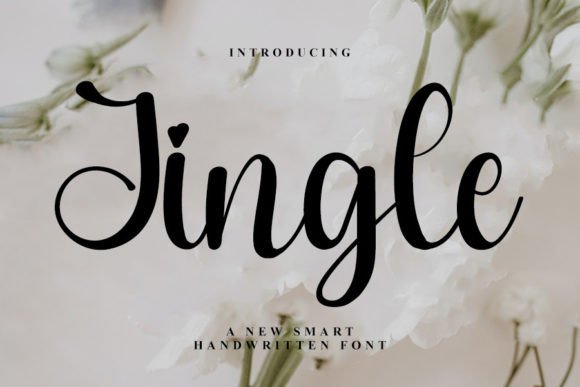
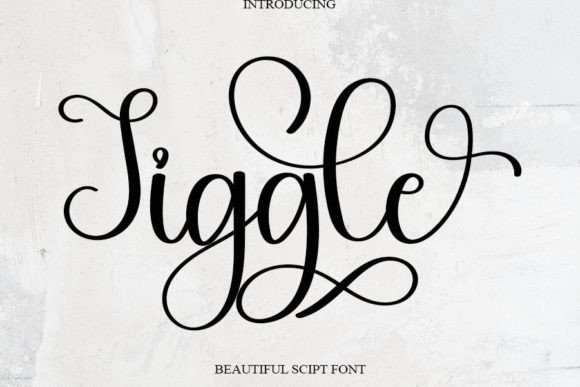
Jiggle is a handwritten script font with a playful yet refined feel. Each letter seems to dance along the baseline, creating a dynamic visual rhythm that draws the eye. The font has a unique character that feels both modern and nostalgic, perfect for brands aiming to balance creativity with professionalism.
When I first used Jiggle in a hero section, it immediately caught my attention. The subtle curves and fluid lines gave the text a handcrafted quality that felt more personal than most digital typefaces. It’s not just a font—it’s a design element that adds energy and emotion to a layout.
Real-World Use Cases for Jiggle
I’ve used Jiggle in a variety of web design scenarios, from portfolio sites to online store banners. On a coaching website, it worked well as a headline for a services section, adding a sense of approachability and warmth. In a product landing page, it stood out as a call-to-action button, making the message feel more inviting and human.
For a boutique online store, Jiggle became the centerpiece of the homepage banner. Placed over a background image, it added a layer of visual interest without overpowering the design. The font’s readability on mobile screens was impressive, even at smaller sizes, which is crucial for responsive layouts.
Readability and User Experience
One of the first things I checked when testing Jiggle was its readability. On dark backgrounds, the font maintained good contrast and legibility, while on light backgrounds, it still felt clean and easy to scan. For small buttons or short phrases, Jiggle worked well, but I avoided using it for long paragraphs of body text.
As a web designer, I know that typography plays a big role in user experience. Jiggle’s flowing style can be distracting if overused, so I usually reserve it for headings, logos, or decorative accents. When paired with a simple sans serif font, it creates a balanced hierarchy that guides the reader through the content without confusion.
Pairing Jiggle with Other Fonts
Font pairing is essential for a cohesive design system. Jiggle pairs beautifully with modern sans serifs like Inter or Lato, creating a contrast between the elegant script and the clean, neutral body text. This combination works especially well for blog headers, course sales pages, or digital brand kits where clarity and visual appeal are both important.
In one project, I used Jiggle as a logo font alongside a serif font for the site’s editorial content. The result was a design that felt both professional and expressive, striking a balance between tradition and innovation. For a more casual brand, pairing Jiggle with a rounded sans serif like Poppins gave the site a friendly, approachable tone.
Practical Tips for Using Jiggle
If you’re considering Jiggle for your next project, start by testing it in the context of your layout. Preview it on different screen sizes and backgrounds to see how it performs. For mobile-first designs, ensure that the font remains legible without compromising the overall aesthetic.
Also, check the font’s available styles and weights. Jiggle might come in multiple variations, allowing you to use it flexibly across different parts of your site. Make sure to review the licensing terms before using it on client projects or commercial websites.
Why Jiggle Works for Digital Branding
Branding is all about consistency and recognition. Jiggle offers a unique identity that can help a brand stand out in a crowded digital space. Whether it’s for a creative portfolio, a coaching website, or a product landing page, the font adds a personal touch that resonates with users.
For a digital brand kit, Jiggle can be used in social media graphics, email templates, or promotional banners. Its versatility makes it a valuable addition to any designer’s toolkit, especially when working on projects that require a mix of creativity and professionalism.
Final Thoughts on Jiggle
Jiggle is more than just a pretty font—it’s a tool that enhances the emotional impact of a design. Its graceful flow and thoughtful details make it a standout choice for web designers looking to add a touch of luxury to their work. Whether you’re building a new website or redesigning an existing one, Jiggle is worth considering for its ability to elevate the overall user experience.