Cataluna: A Handwritten Font for Creative Projects
There I was, staring at a blank brand board, trying to find the right visual voice for a new artisanal café. The client wanted something warm, inviting, and slightly whimsical—something that felt like it had been written by hand, not designed on a screen. That’s when I pulled out Cataluna, a handwritten font from Script Amp, and instantly knew it was the right fit.
The Personality of Cataluna
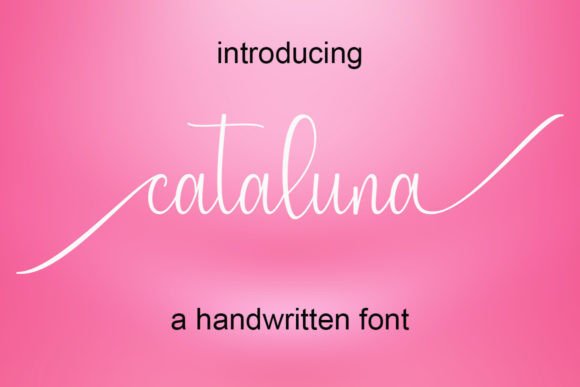
Cataluna has a soft, flowing character that feels personal and approachable. It’s not overly ornate, but it carries a sense of elegance that works well in both modern and traditional settings. The strokes are consistent, with gentle swashes that add a touch of sophistication without overwhelming the design. It’s the kind of font that makes you want to read more, whether it’s a headline or a tagline.
What stands out is its versatility. It can be playful or professional, depending on how you use it. I tested it on a logo concept, and it held its own against more rigid typefaces. It didn’t feel out of place on a packaging mockup, nor did it clash with a minimalist web header.
Cataluna in Branding Projects
I used Cataluna in a variety of branding assets for a boutique coffee shop. On the logo, it added a human touch that made the brand feel more authentic. When paired with a clean sans serif for body text, it created a nice contrast that kept the design from feeling too busy.
On a business card, it looked great as a headline, but I noticed that when used in smaller sizes, some of the details got lost. That’s something to keep in mind if you’re planning to use it for anything that requires fine typography, like product labels or long-form print materials.
For social media graphics, Cataluna worked well as a headline or caption. It added a personal flair that stood out on Instagram posts and Facebook banners. But again, it wasn’t the best choice for lengthy text. It’s definitely a display font, not a body font.
When to Use Cataluna
Cataluna shines as a logo font, especially for brands that want to convey warmth and creativity. It’s ideal for short phrases, headlines, and accents in a larger typographic hierarchy. I found it particularly effective when used alongside a serif or sans serif font for balance.
Pairing it with a classic serif like Georgia or a modern sans like Helvetica Neue created a nice contrast that elevated the overall design. For a more cohesive look, I also tried pairing it with another script font, and it worked surprisingly well, adding depth without clashing.
It’s also great for packaging design, where a handwritten touch can make a product feel more unique. I saw it work well on tote bags and clothing tags, giving the brand a more artisanal feel. However, I wouldn’t recommend using it for anything that requires high readability at a glance, like safety signs or instructional labels.
Testing Cataluna Before Finalizing
Before using any font in client work, I always test it in different contexts. I created a mockup of a café menu using Cataluna as the main heading and found that it looked great on a large format print. But when I reduced the size for a small flyer, the details became harder to read.
I also checked the font’s multilingual support and found that it covered most common European languages, which is a plus for international projects. The file formats included were standard, and the webfont version worked smoothly across platforms.
One thing to note is that while Cataluna is a premium font, it’s worth the investment if you’re looking for a unique, expressive typeface that can elevate your designs. Just make sure to review the commercial licensing before using it in client projects, especially if you’re creating templates or merchandise.
Final Thoughts on Cataluna
Cataluna is a font that brings a sense of personality and warmth to any project. It’s not for every situation, but when used correctly, it can add a special touch that sets a brand apart. Whether you’re designing a logo, a website, or a social media campaign, it’s worth considering for its charm and flexibility.
As a designer, I’ve found that fonts like Cataluna are perfect for projects that need a little extra soul. They help tell a story, evoke emotion, and create a connection with the audience. If you’re looking for a handwritten font that feels natural and elegant, Cataluna is definitely one to explore.